Unlocking Efficiency with Custom Process Hoppers in Modern Warehousing
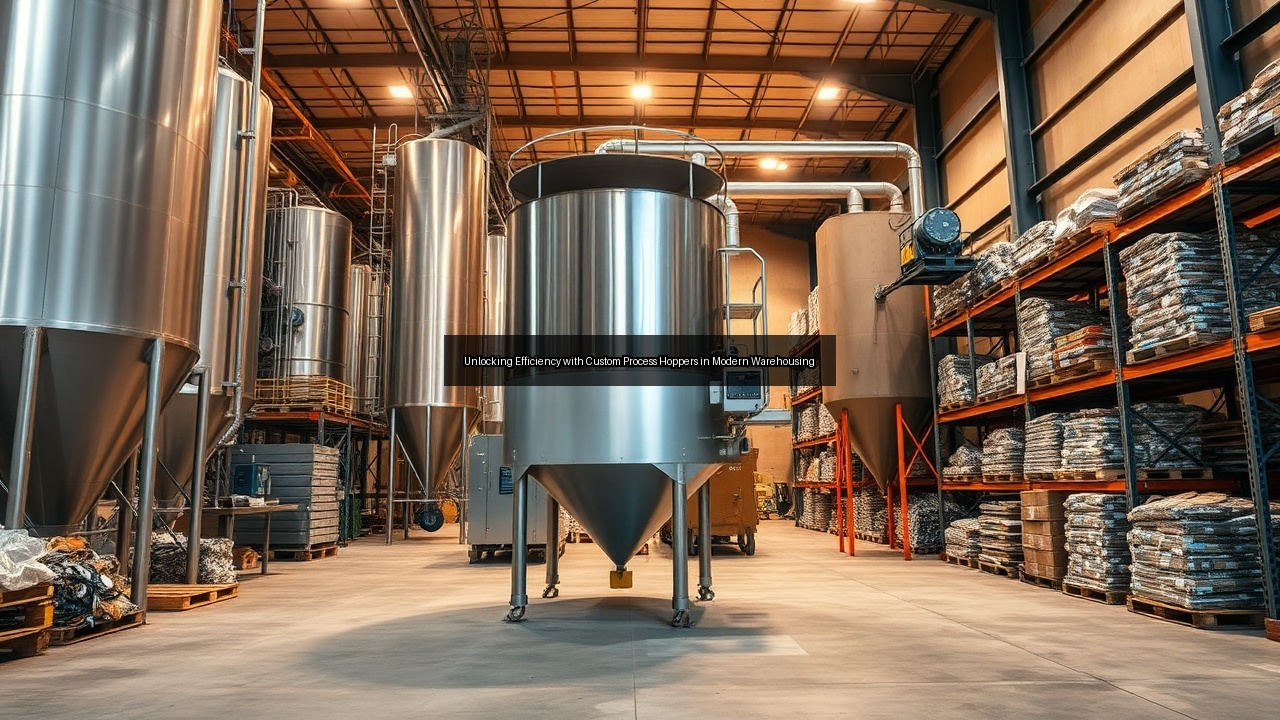
The Role of Custom Process Hoppers in Modern Warehousing
Understanding Custom Process Hoppers
Custom process hoppers serve as essential components in modern warehousing, designed specifically for the handling and storage of bulk materials. These hoppers are engineered to accommodate various types of materials, including recyclables, scrap, and other bulk products, ensuring efficient material flow and processing. Unlike standard hoppers, custom designs cater to the unique needs of each company, optimizing functionality and enhancing overall productivity. By tailoring the dimensions, shapes, and materials used in fabrication, businesses can achieve a significant advantage in their warehousing operations. The versatility of custom process hoppers allows for seamless integration with existing systems, such as conveyor systems, further streamlining operations and minimizing downtime.
Importance of Tailored Solutions for Bulk Materials
Tailored solutions for bulk materials are critical in optimizing warehouse efficiency. Custom process hoppers address specific challenges that arise when dealing with various materials, ensuring that the handling process meets industry standards while maximizing safety and efficiency. For example, a company may require a hopper with a particular gate design to facilitate easy access and discharge of materials. This customized approach helps minimize waste and enhances the speed of operations. Additionally, custom hoppers can be designed to accommodate specific shapes and sizes of bulk materials, preventing clogs and ensuring a smooth flow of product to conveyor systems or pallet racks. Such adaptability leads to better resource management and higher productivity, vital in today’s fast-paced warehousing environment.
Comparison with Traditional Silos and Hoppers
When comparing custom process hoppers to traditional silos and hoppers, the advantages of custom solutions become apparent. Traditional silos often lack the flexibility needed to handle diverse materials effectively, leading to inefficiencies and operational bottlenecks. Custom hoppers, on the other hand, are designed to meet the specific requirements of a business, ensuring that each aspect—from dimensions to material choices—is optimized for performance. While silos may be ideal for certain applications, their rigid structures may not accommodate the dynamic needs of modern warehousing. Custom process hoppers provide a tailored approach that enhances overall workflow and productivity. The ability to design hoppers that integrate seamlessly with other systems, such as conveyor systems or recycling processes, gives companies a competitive edge in managing bulk materials efficiently.
Design and Fabrication of Custom Process Hoppers
Materials Used: Stainless Steel, Sheet Metal, and Concrete
Choosing the right materials for custom process hoppers is crucial for durability and functionality. Stainless steel is a popular choice due to its resistance to corrosion, ease of cleaning, and strength. It’s particularly beneficial in environments where hygiene is paramount, such as food processing and pharmaceuticals. Sheet metal is another versatile option, offering flexibility in design and fabrication. It allows for the creation of hoppers in various shapes and sizes, catering to the specific needs of different processes. Concrete hoppers, while less common, provide excellent stability and can handle heavy loads, making them suitable for certain industrial applications. The choice of material not only affects the longevity of the hoppers but also their ability to maintain the integrity of the materials being stored or processed.
Key Dimensions and Shapes: Cones and Gates
Custom process hoppers come in various shapes and dimensions, each designed to optimize the handling of specific bulk materials. Conical hoppers, for example, facilitate efficient material flow by allowing gravity to assist in discharging contents. The angle of the cone can be adjusted based on the material's characteristics, ensuring smooth discharge and minimal clumping. Gates are another critical feature; they control the flow of materials from the hopper to conveyor systems or other processing stations. Customizing the design of these gates—whether slide gates or butterfly valves—ensures that the hoppers can adapt to the operational requirements of the warehouse. By carefully considering dimensions and shapes, companies can enhance the workflow, reduce downtime, and improve overall productivity.
Integrating Guardrails and Casters for Safety and Mobility
Integrating safety features such as guardrails and mobility options like casters enhances the functionality of custom process hoppers. Guardrails provide a protective barrier, ensuring that workers remain safe while interacting with the equipment. This is particularly vital in high-traffic warehousing environments where the risk of accidents is elevated. Caster wheels allow hoppers to be mobile, enabling easy repositioning as needs change within the warehouse. This mobility is essential for scenarios where materials need to be moved frequently or when space optimization is necessary. Custom hoppers can be designed to incorporate both guardrails and casters without compromising structural integrity, leading to a safer working environment while enhancing operational efficiency.
Enhancing Productivity with Custom Process Hoppers
Streamlining Operations with Conveyor Systems
Custom process hoppers work synergistically with conveyor systems to streamline warehouse operations. By integrating hoppers with conveyors, companies can automate the movement of bulk materials, significantly reducing manual handling and minimizing human error. This automation leads to faster processing times and allows for a more consistent flow of materials through the warehouse. For instance, when hoppers discharge materials directly onto conveyor belts, it eliminates the need for additional transfer steps, resulting in a more efficient workflow. The design of custom hoppers can also accommodate specific conveyor heights and orientations, ensuring seamless transitions between equipment. This integration not only boosts productivity but also enhances the overall efficiency of warehousing operations.
Optimizing Storage with Pallet Racks
Custom process hoppers also contribute to optimizing storage solutions, particularly when used in conjunction with pallet racks. By efficiently discharging bulk materials into designated storage areas, these hoppers maximize available space. Well-designed hoppers ensure that materials are directed accurately onto pallet racks, reducing the risk of spills or misplacement. This efficient use of space is crucial in modern warehousing, where every square foot counts. Furthermore, the ability to customize the dimensions of hoppers allows businesses to align their storage solutions with their specific inventory needs. By optimizing storage with custom hoppers and pallet racks, companies can manage their resources better, leading to enhanced productivity and reduced operational costs.
Recycling and Handling Recyclables Efficiently
The emphasis on sustainability makes recycling processes increasingly vital in warehousing. Custom process hoppers facilitate the efficient handling of recyclables, ensuring that materials are processed correctly and with minimal waste. These hoppers can be designed to accommodate various types of recyclable materials, from plastics to metals, allowing companies to streamline their recycling efforts. By integrating hoppers into recycling systems, businesses can automate the collection and transportation of recyclables, reducing manual labor and improving turnaround times. This efficiency not only supports sustainability initiatives but also contributes to cost savings by maximizing the value of recycled materials. Custom process hoppers, therefore, play a pivotal role in promoting eco-friendly practices within modern warehousing.
See Also
- Innovative Designs for Custom Process Hoppers in the Concrete Industry
- Custom Hoppers vs Standard Hoppers: Which One Fits Your Needs
- Customization Options for Process Hoppers: A Comprehensive Guide
- Why Investing in Custom Hoppers Can Save You Money in the Long Run
- Innovative Designs in Custom Process Hoppers Transforming the Recycling Industry